Tooth Sensitivity
Understanding Tooth Sensitivity
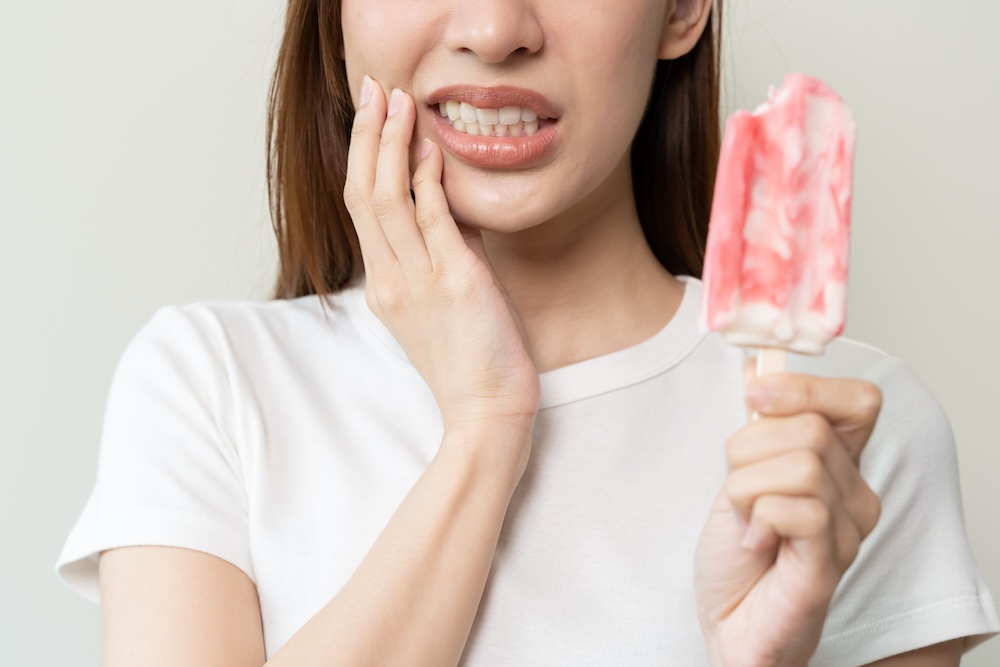
Tooth sensitivity is a common problem that many people have at some point in their lives. It can cause sharp or dull pain when you eat, drink, or brush, or even when cold air enters your mouth. The pain often comes and goes quickly, but it can sometimes last for several hours. At Sand Lake Dental, we treat tooth sensitivity to help improve your comfort.
If your teeth feel sensitive, it’s important to see a dentist to rule out problems like decay or damage, which can cause similar pain and need prompt care.
Treatment Depends on What Is Causing the Sensitivity
Sensitivity can come from decay, a cracked tooth, worn fillings, gum disease, or an exposed root. Your dentist finds the cause first, then recommends a treatment such as desensitizing toothpaste, fluoride, or a filling.
“The type of treatment will depend on what is causing the sensitivity.”
American Dental Association, MouthHealthy, “Sensitive Teeth”
What causes sensitive teeth?
There are a variety of different things that can cause sensitive teeth. In addition to dental decay that has been left untreated, some of the most reasons common include: Worn tooth enamel, caused by aggressive brushing and using a hard-bristled toothbrush. Tooth erosion as a result of high levels of consumption of acidic foods and drinks. Leaking fillings and cracks in your teeth that expose the softer and more sensitive inner layers. Gum recession that has left some of the root of your tooth exposed. Grinding your teeth at night. In some instances, the sensitivity might also arise as a side effect of a dental treatment you may have had recently, particularly any teeth whitening, dental crowns, or cavity fillings.
Treatment For Sensitive Teeth
Fortunately, you don’t have to live with the discomfort of sensitive teeth forever. The first thing you should do is visit your dentist to make sure that there isn’t a more sinister reason for your tooth pain. If there is no obvious underlying cause, there are a few things that you can do to help alleviate your tooth sensitivity.