TMJ Disorder Treatment
Sand Lake Dental provides TMJ disorder treatment for people dealing with jaw pain, clicking, headaches, and other TMJ disorder symptoms. Our experienced dentist, Dr. Ziyad Maali, offers many options to relieve pain and restore proper jaw function based on each patient’s unique needs. We utilize innovative technologies and therapies focused on reducing inflammation, easing muscle tension, stabilizing the joint, and preventing further damage.
Schedule a Consultation
What is TMJ?
TMJ is a joint connecting the lower jaw (mandible) to the skull. This critical junction allows the mouth to move up and down and side to side, enabling chewing, talking, yawning, and other essential functions. TMJs on both sides of the head work symmetrically to coordinate the opening and closing movements.
When somebody says that they have TMJ, they often refer to a disorder of the muscles, nerves, or other tissues in that joint. It may be difficult to identify the exact cause of this condition, but there are several potential culprits:
- Arthritis
- Jaw injury
- Teeth grinding or clenching
- Malocclusion (misalignment of the teeth)
- Stress
- Genetics
Common Symptoms of TMJ
While each TMJ disorder involves multiple symptoms, some patients may experience just one of them. Here are the common signs:
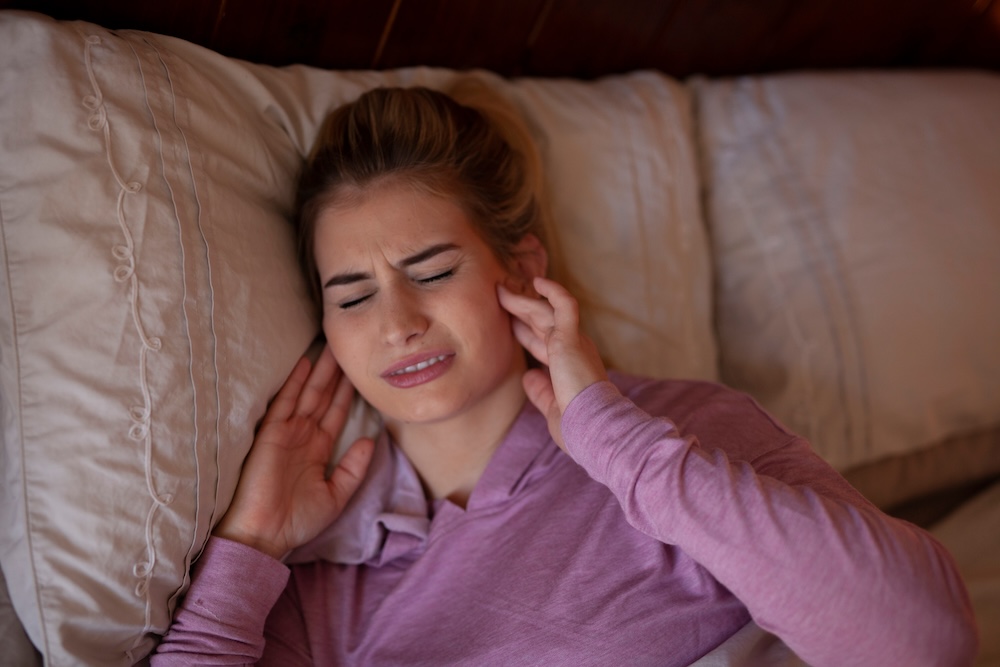
- Pain in one or both TMJs
- Clicking or popping when opening or closing the month
- Grating sensation when chewing or moving the jaw
- Locking of the joint that makes it difficult to open or close the mouth
- Aching pain near the ear
- Migraines or headaches

When do you need dentist?
While TMJ is usually temporary, patients should consider seeing Dr. Maali if their pain is persistent or if they cannot open or close their jaw completely. Our experienced dentists understand the potential causes of TMJ disorders and provide the best treatments. Most patients can achieve pain relief without invasive procedures.
Request A Complementary Consultation
Our Treatments for TMJ
In many cases, TMJ disorders resolve without medication or treatment. For this reason, Dr. Maali may decide to hold off on doing anything and monitor the condition. However, if the symptoms are moderate or severe, they can offer several treatment options:
Medications
Different medications may be prescribed to address TMJ. These include pain relievers, anti-inflammatories, and muscle relaxants. Medications can reduce discomfort and swelling associated with TMJ. They also allow tensed facial muscles to relax and relieve pain in jaw joints.
Mouthguards Or Splints
Mouthguards and splints are common treatments for TMJ disorders. These custom-made devices fit over the teeth and position the jaw slightly forward to improve the alignment and function of the TMJ. This helps reduce pain, teeth grinding, jaw clenching, and other symptoms. Splints may be worn full-time initially and then only at night. Regular dental adjustments help optimize the fit.
Replacing Missing Teeth
When teeth are missing, it can cause a shift in the bite and alignment of the jaw. This imbalance may strain the TMJ and surrounding muscles, potentially leading to pain, limited motion, clicking/popping, and other issues. Our dentists can replace missing teeth with implants, bridges, or dentures, helping restore the proper bite alignment and take pressure off the TMJ.
Physical Therapy & Counseling
In combination with splinting techniques, physical therapy can help reduce muscle tension, alleviate pain, and prevent any other jaw difficulty. Counseling may also address habits like teeth clenching that lead to TMJ.
Referrals
If medications or other treatments do not resolve TMJ, we refer patients to transcutaneous electrical nerve stimulation (TENS) or surgery. These procedures can be helpful for people with severe symptoms. They address the problem at a deeper level.
Potential Candidates for TMJ Treatment
Because there are many potential causes of TMJ disorders, it is crucial to determine if the patient is predisposed to them. After that, we can take preventive measures before the condition becomes more serious. Some of the risk factors include:
- Family history of arthritis
- Traumatic injury to the jaw
- Chronic teeth-grinding or clenching
- Connective tissue disorders that may affect the temporomandibular joint
We always aim to address TMJ disorders on time to prevent joint deterioration and chronic pain. Dr. Maali offers the best treatments to achieve lasting results and improve the patient’s quality of life.
Benefits of TMJ Disorder Treatment
Temporomandibular disorders (TMDs) affect the jaw joint and the muscles that control chewing. Treatment at Sand Lake Dental focuses on easing pain and muscle tension, stabilizing the joint, and improving jaw function. Here is what a national health source says about each benefit.
Reduces TMJ Pain
TMJ disorders may cause severe jaw pain that interferes with daily activities. Our treatments, like splints, therapies, and medications, can effectively reduce inflammation and aches in the jaw joints and muscles. When the source of the pain is addressed, most patients experience a significant decrease in TMJ symptoms.
TMJ disorders may cause severe jaw pain that interferes with daily activities. Our treatments, like splints, therapies, and medications, can effectively reduce inflammation and aches in the jaw joints and muscles. When the source of the pain is addressed, most patients experience a significant decrease in TMJ symptoms.
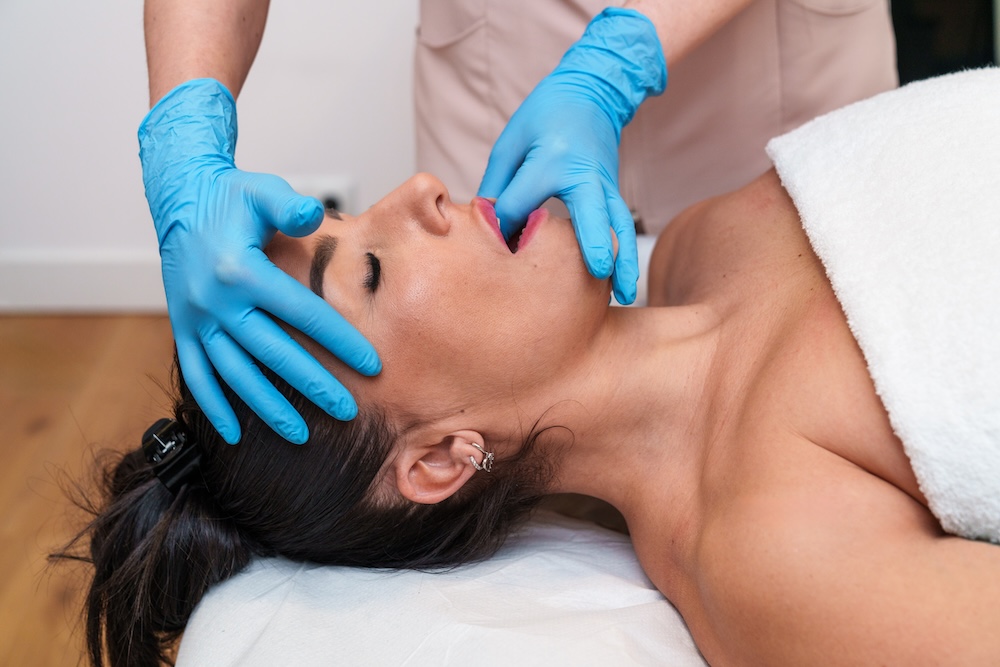
MANUAL THERAPY CAN HELP IMPROVE JAW FUNCTION AND RELIEVE PAIN
The National Institute of Dental and Craniofacial Research (NIDCR) also lists heat or cold with gentle jaw exercises, and over-the-counter pain medicines, among ways to ease jaw pain, which fits the therapies and medications Sand Lake Dental offers.
“can help improve function and relieve pain”
National Institutes of Health, National Institute of Dental and Craniofacial Research, “TMD (Temporomandibular Disorders)”
Preserves The Jaw Joint
Without proper care, TMJ disorders may damage tissues over time. Our treatments stabilize the joint, promote healing, and prevent further deterioration. They preserve joint integrity and help patients avoid more invasive interventions later on.
SIMPLE TREATMENT MAY BE ENOUGH FOR MANY JAW JOINT PROBLEMS
The NIDCR notes that many jaw joint and muscle problems are temporary and do not get worse, and Sand Lake Dental’s care is designed to stabilize the joint and prevent further damage.
“simple treatment may be all that is necessary”
National Institutes of Health, National Institute of Dental and Craniofacial Research, “TMD (Temporomandibular Disorders)”
Makes It Easier To Chew And Swallow
TMJ disorders frequently lead to difficulty and discomfort while chewing or swallowing. Our treatments improve jaw mobility so that the mouth can open wider. This makes activities like chewing solid foods or biting into an apple much easier and less painful. The reduction in aches and increased function make meals more enjoyable.
PHYSICAL THERAPY AIMS TO BRING BACK MOVEMENT AND FUNCTION
The NIDCR also lists limited movement or locking of the jaw among the symptoms of a TMD.
“maintain, improve, or bring back movement and physical function”
National Institutes of Health, National Institute of Dental and Craniofacial Research, “TMD (Temporomandibular Disorders)”
Decreases Headaches
Chronic headaches are a common symptom in many patients with TMJ disorders. They occur because the nerves, tissues, and blood vessels in the jaw joint and temples interact closely. Irritation in the TMJ area may trigger headaches or exacerbate existing migraines. We can resolve these problems with bite splints, physical therapy, or medication, which decrease jaw tension.
HEADACHES ARE ONE OF THREE MAIN TMD CATEGORIES, THE NIDCR SAYS
Sand Lake Dental treats the jaw joint and muscles with splints, physical therapy, or medication to help reduce jaw tension and the headaches linked to it.
“Headaches associated with a TMD”
National Institutes of Health, National Institute of Dental and Craniofacial Research, “TMD (Temporomandibular Disorders)”
Cost of TMJ Disorder Treatment
The cost of TMJ disorder treatment ranges from $500 to $5,000, depending on the severity of the condition and the type of intervention needed. Mild cases that only require physical therapy and mouthguards tend to be cheaper. More complex situations involving surgery and advanced procedures can cost up to $5,000 or more when accounting for the doctor’s fees, facility charges, anesthesia, and follow-up appointments.
Sand Lake Dental provides accurate price quotes during the first consultation with Dr. Maali. We offer many options to make payments more convenient, including credit plans, a membership club, and special promotions.
What makes our TMJ disorder treatment different from others?
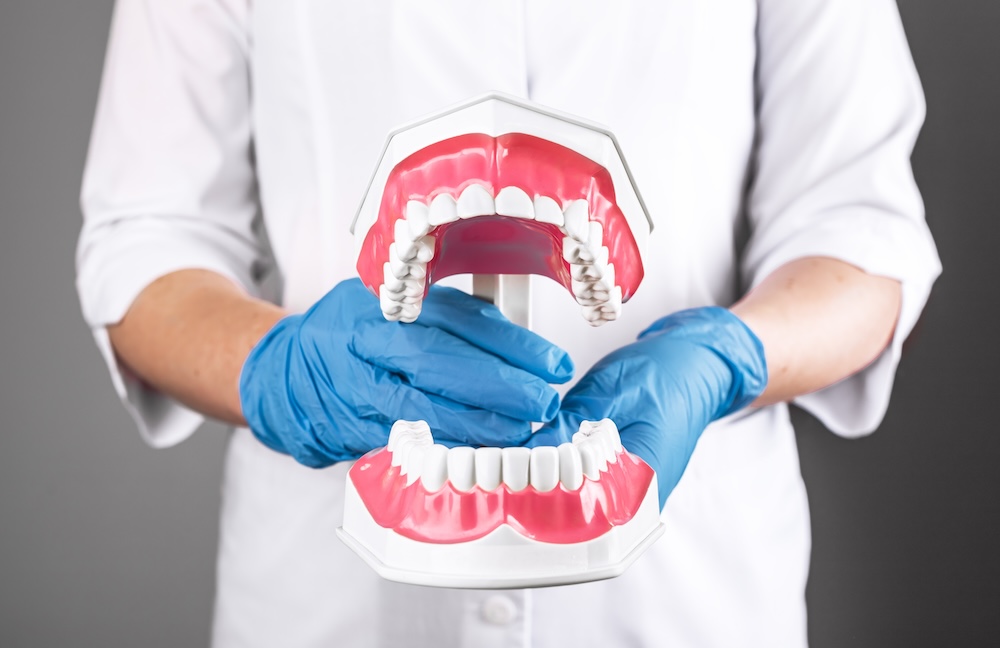
Sand Lake Dental is an excellent choice for TMJ disorder treatment due to the expertise and experience of Dr. Ziyad Maali. They take a patient-centered approach and always achieve exceptional results. Sand Lake Dental has the latest technology, leading medical experts, and a comfortable office. We make patients healthy and happy with our caring approach and excellent skills.
Request Appointment